How to choose the right driving instructor
What to look for, and the questions worth asking before you book.
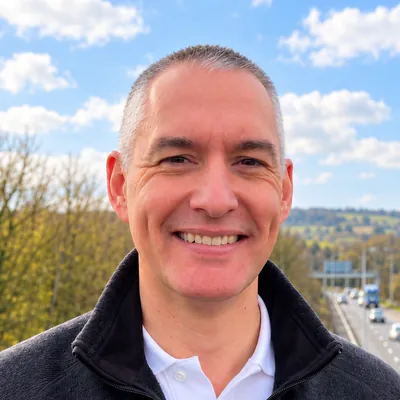 By Geoff Newman, driving instructor in Sevenoaks
Updated
Choosing a driving instructor means choosing someone you'll spend many hours alongside. You want to feel comfortable with them, and confident they'll teach you, or your son or daughter, safely.
You'll often see instructors described as "DVSA approved" and "DBS checked", including me. Here's what those words actually mean, and how I qualified. I passed all three driving instructor qualifying tests first time.
DBS stands for the Disclosure and Barring Service. Every driving instructor has an enhanced criminal record check as part of the DVSA's decision about whether they're a "fit and proper person" (opens in a new tab) to join the approved driving instructor register. The DVSA looks at the check alongside other information about the person's conduct, and it's the DVSA that decides whether they can be registered.
I had this check when I became an approved driving instructor, and instructors normally need a new one each time they renew their registration (opens in a new tab), every four years.
DVSA stands for the Driver and Vehicle Standards Agency. To become an approved driving instructor (ADI), you have to meet the registration rules and pass three qualifying tests: one on knowledge, one on your own driving, and one on whether you can actually teach.
I passed every stage first time. I'm particularly proud of that, because the final teaching test is demanding: the Department for Transport has reported an overall Part 3 pass rate of just 27.8% in 2025–26 (opens in a new tab), fewer than three passes in every ten tests. That figure includes repeat attempts, so it doesn't show how many people pass all three stages first time.
The first test is the instructor theory test (opens in a new tab), with multiple-choice questions and hazard perception, and you must pass both parts. That knowledge is the foundation of good teaching: an instructor has to explain the rules clearly, spot risks as they develop, and help pupils understand the reasons behind safe decisions. I passed first time.
The second test is about an hour of driving with a DVSA examiner (opens in a new tab), covering an eyesight check, vehicle safety questions, general driving, manoeuvres and independent driving. I passed first time with just one driving fault. An instructor should be able to show the standard they're asking their pupils to reach.
After Parts 1 and 2, and at least 40 hours of instructor training (including at least 10 in a car), you can apply for a six-month trainee licence (opens in a new tab), which lets you teach while you prepare for Part 3. I chose this route. Being a good driver and helping someone else become one are different skills, and those months shaped how I explain things, adapt lessons and support each pupil's progress.
The final test assesses your teaching. A DVSA examiner watches you give a real lesson (opens in a new tab), looking at how you plan it, manage risk and help your pupil learn. I passed first time with 42 out of 51, one point short of the top grade.
Qualifying is only the start. The DVSA carries out standards checks to assess instructors' teaching, and it keeps an eye on their pupils' driving test results, including driving faults, serious faults, how often an examiner has to step in, and the overall pass rate. Instructors can be called for a standards check at any time (opens in a new tab).
Qualifications and checks are the foundation. What matters in the car is how I use them. In 2026, my learners achieved an 87% pass rate (53 of 61 tests), I'm 5-star rated on Google from over 110 reviews, and I've sat in on over 120 Sevenoaks driving tests, so I know exactly what examiners expect.
My aim is simple: clear explanations, lessons that fit you, and an understanding of not just what to do but why, so you become a safe, confident, independent driver. Choosing between instructors? My guide to choosing the right driving instructor in Sevenoaks may help.
What to look for, and the questions worth asking before you book.
I'm Geoff Newman, a patient, calm driving instructor, born and raised in Sevenoaks. I'm the author of Sevenoaks Driving Test Secrets and a series of narrated videos that help learner drivers understand the Sevenoaks test routes (opens in a new tab). I taught my own sons to drive, and 87% of my learners' driving tests passed in 2026.
Tell me a little about the learner and when you'd like to start, and I'll get back to you.
Prefer email or WhatsApp?
No pressure, no obligations, just to see if we're a good fit.